
Intelligent Data Engineering
& Artificial Intelligence
The international conference on artificial intelligence and data engineering, featuring groundbreaking research, immersive workshops, technical deep-dives, societal and real-world impact.
About the Conference
Conference Overview
Intelligent Data Engineering and AI 2026 (IDEA 2026) is a international forum that brings together researchers, academicians, industry leaders, policymakers, and advanced practitioners to explore the foundations, systems, and societal implications of artificial intelligence and data engineering. The conference spans the full spectrum from theoretical advances to large-scale deployments, addressing how data driven intelligence is designed, governed, and applied in complex real world environments.
IDEA 2026 covers a broad range of topics including distributed and federated data architectures, scalable machine learning and deep learning systems, LLMs, multimodal and generative AI, neural-symbolic reasoning, trustworthy and responsible AI, advanced computer vision, reinforcement learning, causal learning, quantum and hybrid AI models, and AI for scientific discovery. Technical sessions will feature cutting edge work on semantic data integration, foundation models, autonomous and agentic systems, and AI deployment in healthcare, finance, smart cities, sustainability, and critical infrastructure.
The conference also emphasizes human-centric and socially responsible AI, with focused discussions on fairness, transparency, robustness, privacy, data security, governance, and ethical algorithm design. Through keynotes, technical paper sessions, workshop, tutorial, panels, and demonstrations, IDEA 2026 provides a rigorous yet inclusive platform for exchanging novel ideas, methodological innovations, and impactful applications.
By bridging data engineering, AI systems, and societal impact, IDEA 2026 aims to shape the next generation of intelligent systems that are scalable, trustworthy, and aligned with real-world needs.
Our Mission
Our mission is to establish a global forum for advancing next-generation research in data engineering and artificial intelligence. IDEA 2026 aims to accelerate scientific progress through the rigorous exchange of technical innovations, ranging from scalable computational frameworks and quantum-enhanced algorithms to the development of ethically aligned and trustworthy AI systems.
As the inaugural edition of what is envisioned as a long-term conference series, IDEA 2026 lays the foundation for sustained collaboration among researchers and practitioners shaping the future of AI and data engineering.
Thematic Areas
IDEA 2026 covers a broad range of themes including intelligent data engineering, scalable big data architectures, machine learning, deep learning, generative AI, computer vision, natural language processing, quantum computing applications, and ethical AI governance. The conference emphasizes the integration of theoretical advances with real-world impact across application domains such as healthcare, finance, smart cities, and emerging technologies.
Conference Tracks & Topics
About Jio Institute
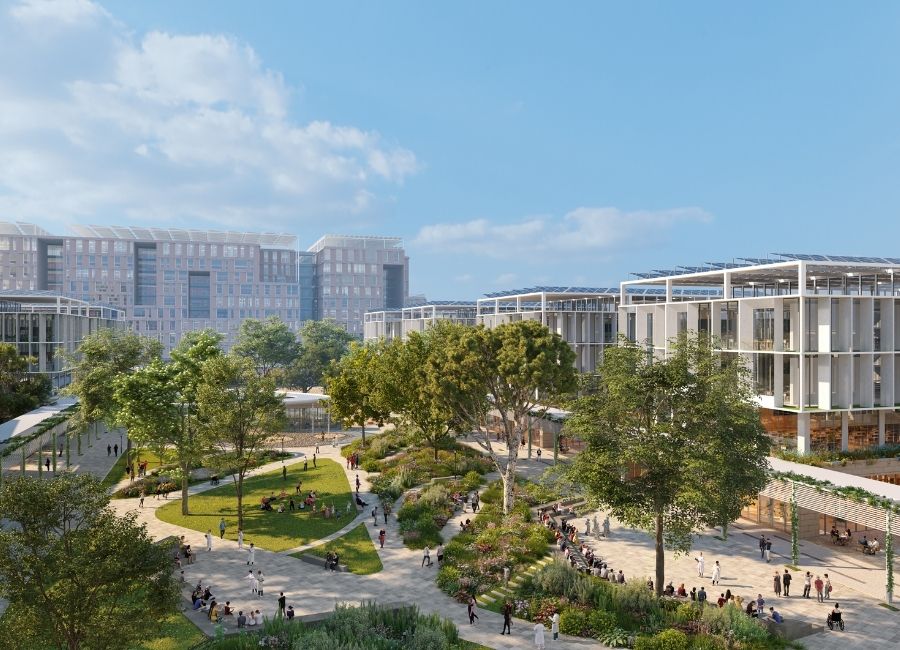
A Multidisciplinary Institution Shaping Future Leaders
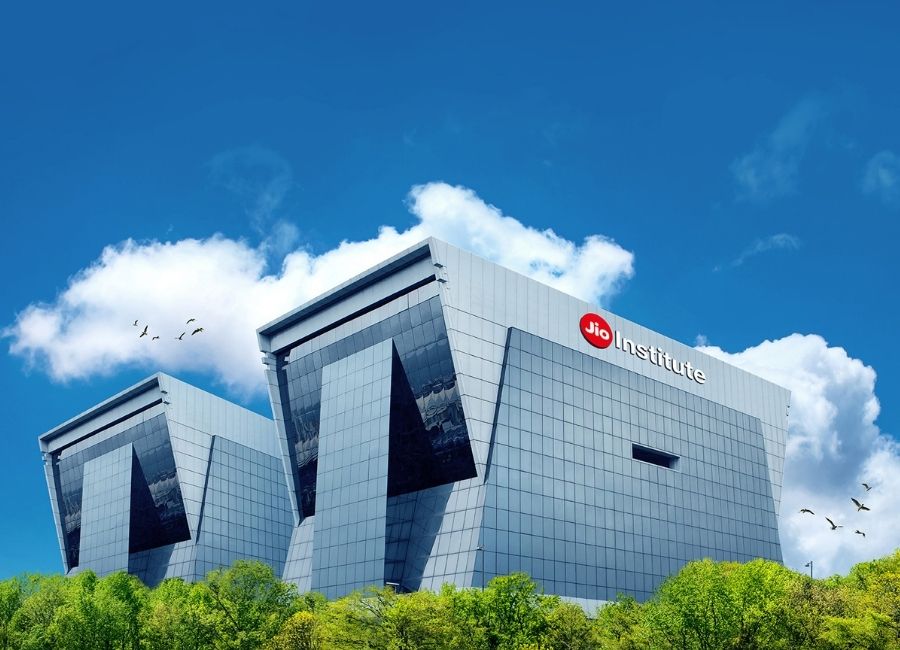
Jio Institute is a multidisciplinary higher education institution established by the Reliance Foundation with the vision of creating a world-class Institute focused on innovation, emerging technologies, and interdisciplinary research.
IDEA 2026 will be hosted at this modern campus, which provides advanced computing laboratories, spacious class rooms and multipurpose halls, and collaborative spaces well suited for international technical conferences and workshops.
Why Attend IDEA 2026?
High-Quality Research Exchange
IDEA 2026 provides a rigorous academic forum for presenting original and unpublished research in intelligent data engineering and artificial intelligence.
The conference emphasizes methodological soundness, reproducibility, and real-world relevance across all tracks.
Expert-Led Technical Sessions
Engage with internationally recognized experts through keynote lectures, invited talks, and workshops.
Sessions provide exposure to state-of-the-art research developments.
Academia–Industry Collaboration
The conference fosters meaningful interaction between researchers, practitioners, and technology leaders.
Encourages translating theoretical advances into deployable systems.
Emerging Research Directions
Highlights scalable learning systems, ethical AI, and data-centric methodologies.
Gain insight into long-term challenges shaping AI-driven systems.
Who Should Attend?
Researchers and Academicians
Faculty members and research scholars seeking a high-quality venue to disseminate findings.
Students and Early-Career Researchers
Students interested in gaining research exposure and mentorship.
Industry Professionals
Engineers and data scientists deploying AI-driven applications.
Innovators & Policymakers
Decision-makers interested in AI governance and societal impact.
Calls
Call for Papers
Submit original research contributions to IDEA 2026.
Peer-reviewed submissions across all conference tracks.
Special Session: Call for Papers
Focused sessions on emerging or specialized topics.
Complementing the main conference technical program.
Call for Workshop Proposals
Organize interactive and discussion-driven workshops.
Two to three Hours formats encouraged.
Student Research Paper Competition
Dedicated platform for outstanding student research.
Open to undergraduate, postgraduate, and doctoral students.
Young Scientist Forum
Recognizing exceptional early-career researchers.
Based on research quality and impact.
Call for TPC
Join the Technical Program Committee as a reviewer.
Contribute to the peer-review process.
Important Dates
Paper Submission & Review
Submission Guidelines
Submissions for the main conference must be made online through CMT (submission link will be opening on April 01, 2026).
A complete paper should be submitted in Springer LNCS format for review purposes. For further details, please follow the authors’ instructions available at http://www.springer.com/gp/computer-science/lncs/conference-proceedings-guidelines . The submitted manuscript should conform to the length intended for final publication.
Papers accepted for the conference will be allocated 12 pages in the proceedings (including references), with the option of purchasing up to 2 additional pages. The cost for extra pages is INR 1000 per page (within India) or USD 10 per page (outside India), with a maximum limit of 16 pages.
Authors who are unwilling or unable to pay the extra charge should restrict their submissions to 12 pages. All paper submissions will be handled electronically through the online submission system.
Plagiarism Policy
The single-source similarity score for a manuscript must not exceed 2%, and the overall similarity score must be within 10%.
Review Process
All submitted papers will undergo a rigorous double-blind peer-review process. Each manuscript will be reviewed by three reviewers, including at least two independent reviewers from the Technical Program Committee and the reviewer pool.
Papers requiring clarification or improvement may undergo a revision phase, followed by a secondary evaluation. Final acceptance decisions will be based on technical quality, originality, relevance to the conference themes, and clarity of presentation.
Expected Acceptance Rate
The expected acceptance rate for IDEA 2026 is approximately 25–30%, ensuring a selective and high-quality technical program.
Publication & Proceedings
Only full-length papers (12 pages) submitted through the official CMT submission system, and accepted and presented following a rigorous peer-review process, will be considered for inclusion in the IDEA 2026 conference proceedings.
The proceedings will be published as a single volume in Springer’s Lecture Notes in Networks and Systems (LNNS) series (https://www.springer.com/series/15179) and will feature high-quality research spanning theory, systems, applications, and responsible AI.
The LNNS book series is abstracted and indexed in DBLP, EI Compendex, INSPEC, Norwegian Register for Scientific Journals and Series, SCImago, Scopus, WTI-AG, and zbMATH.
CMT Acknowledgment
The Microsoft CMT service was used for managing the peer-reviewing process for this conference. This service was provided for free by Microsoft and they bore all expenses, including costs for Azure cloud services as well as for software development and support.
Registration Information
Registration Categories & Fees
Author (Indian Academia)
Author (International)
Student Participant
Author (Indian Industry)
Listener
What Does Registration Include?
- Access to all technical paper sessions, keynote talks, panel discussions, and invited talks
- Entry to workshops and tutorials scheduled during the conference
- Certificate of participation / presentation (as applicable)
- Breakfast, lunch, and dinner, and networking sessions during the conference
- Eligibility for paper presentation and inclusion in the conference proceedings (for accepted and presented papers)
Sponsorship
Diamond
Platinum
Gold
Silver
Sponsorship Opportunities
Diamond
The Diamond sponsorship tier offers the highest level of visibility and engagement at IDEA 2026. Benefits include prominent logo placement across all conference materials, premium exhibition space, five complimentary registrations, a speaking opportunity, and exclusive branding at the conference gala dinner. Diamond sponsors are recognized as strategic partners in advancing research and innovation in intelligent data engineering and artificial intelligence.
Platinum
Platinum sponsors receive strong visibility through logo placement on the conference website, program booklet, and onsite signage. The package includes a standard exhibition space, three complimentary registrations, and formal recognition during the conference. Additional branding opportunities may be available during selected technical sessions and within attendee welcome materials.
Gold
Gold sponsors benefit from logo placement on the conference website and program, two complimentary registrations, and access to a shared exhibition area. This tier is well suited for organizations seeking meaningful engagement with the academic and professional AI community.
Silver
The Silver sponsorship package includes logo placement on the conference website and one complimentary registration. This option is ideal for startups, research labs, and organizations wishing to support IDEA 2026 while establishing an initial presence within the conference community.
To discuss sponsorship opportunities and customize a package aligned with your organization’s objectives, please contact at ideacon@jioinstitute.edu.in.
Keynotes & Speakers

Dr. Carlos Busso
Carlos Busso is an IEEE Fellow and ISCA Fellow. He is a Professor at Language Technologies Institute, Carnegie Mellon University, where he is also the director of the Multimodal Speech Processing (MSP) Laboratory. Before joining CMU, he was a faculty member at The University of Texas at Dallas (UTD), where he served as an Assistant Professor (2009-2015), Associate Professor (2015-2020), and Full Professor (2020-2024) in the Department of Electrical and Computer Engineering. Carlos Busso's research focuses on human-centered multimodal machine intelligence and its applications in speech-based interfaces. The outcomes of his research have direct implications in many practical domains, including national security, health care, entertainment, transportation systems, and education.
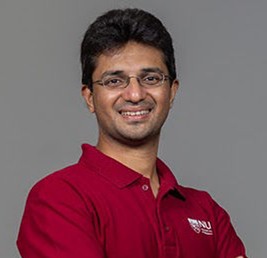
Dr. Vaibhav Rajan
Vaibhav Rajan is currently a Senior Research Scientist at Google DeepMind India. His prior experience spans across industry research labs (Xerox, HP), academia (Assistant Professor, NUS, Singapore) and startups spun off from his research. He received his PhD and master's degrees in computer science from the EPFL, Switzerland and his bachelor's degree in computer science from BITS, Pilani. His research interests include machine learning and its applications, particularly in medicine and biology.
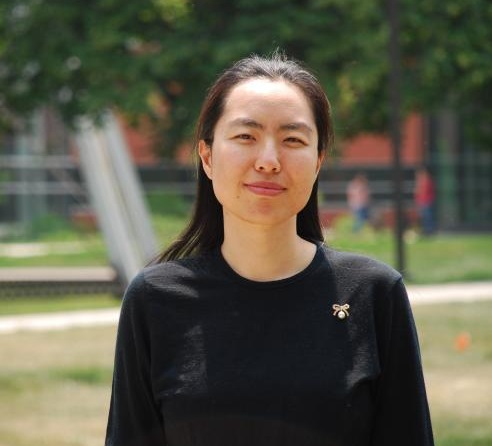
Dr. Qi Li
Dr. Qi Li is Associate Professor at Department of Computer Science, Iowa State University. She was postdoc at Department of Computer Science, University of Illinois at Urbana-Champaign after obtained her PhD in Computer Science and Engineering from SUNY Buffalo in 2017. She has received several awards including NSF CAREER award in 2023, 2022 Global Top Chinese Young Scholars in Artificial Intelligence by Baidu, and 2022 AI 2000 Most Influential Scholar Honorable Mention in Database by AMiner. Her research interests lie in the area of natural language processing with a focus on the information extraction and knowledge extraction from scientific literature. She serves in senior program committees and organizing committees for major NLP, data mining, and AI conferences, including KDD, SDM and AAAI.
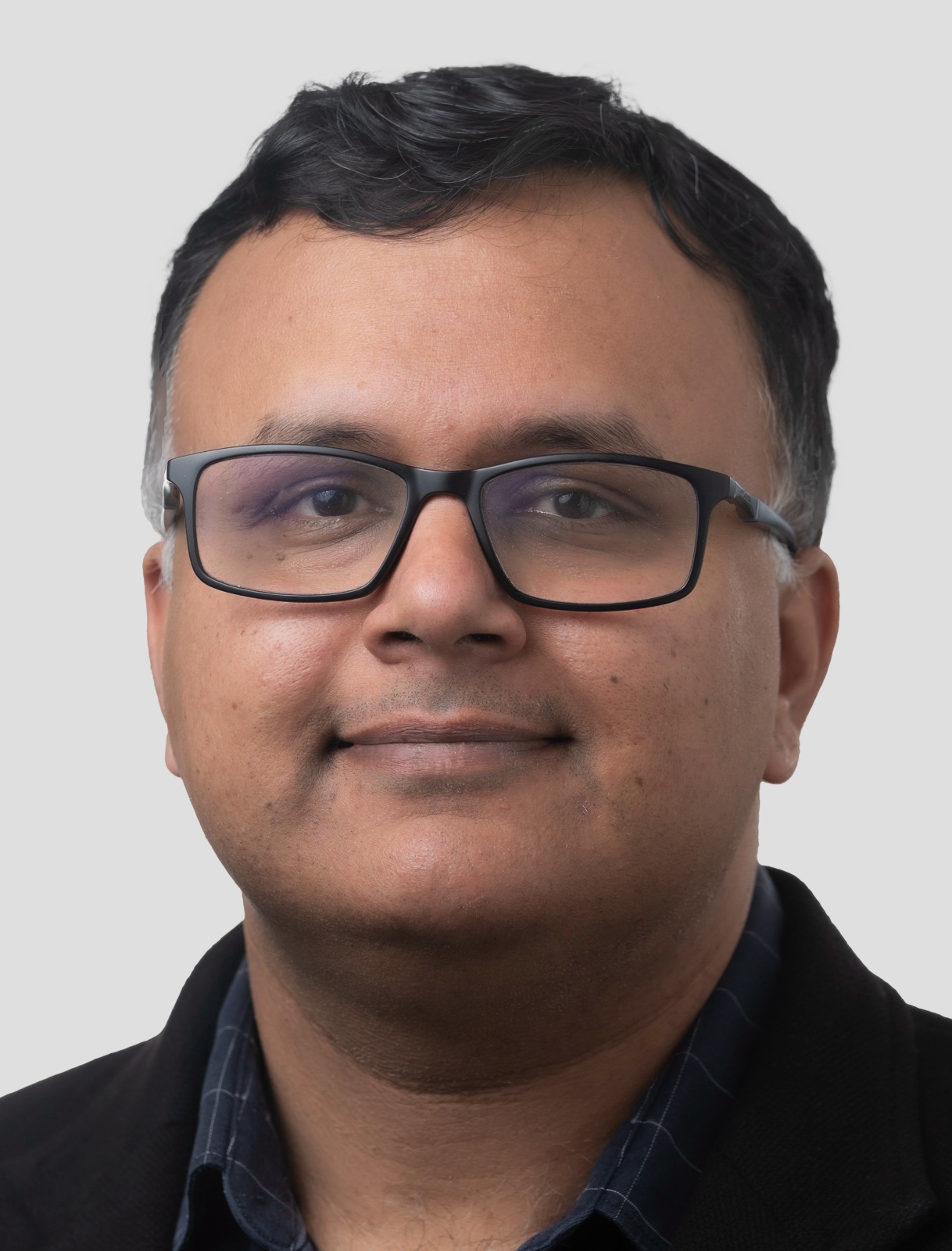
Dr. Abhinav Dhall
Dr. Abhinav Dhall is an Associate Professor and Deputy Associate Dean (International) and in the Faculty of Information Technology at Monash University, Australia. Prior to this, he led the Centre for Applied Research in Data Science (CARDS) at the Indian Institute of Technology Ropar. He holds a PhD in Computer Science from the Australian National University and has conducted research at leading institutions including the University of California San Diego, Imperial College London and the University of Waterloo. His work in affective computing and deepfake analysis has received significant recognition, most notably the Best Student Paper Award at ACM Multimedia 2024.
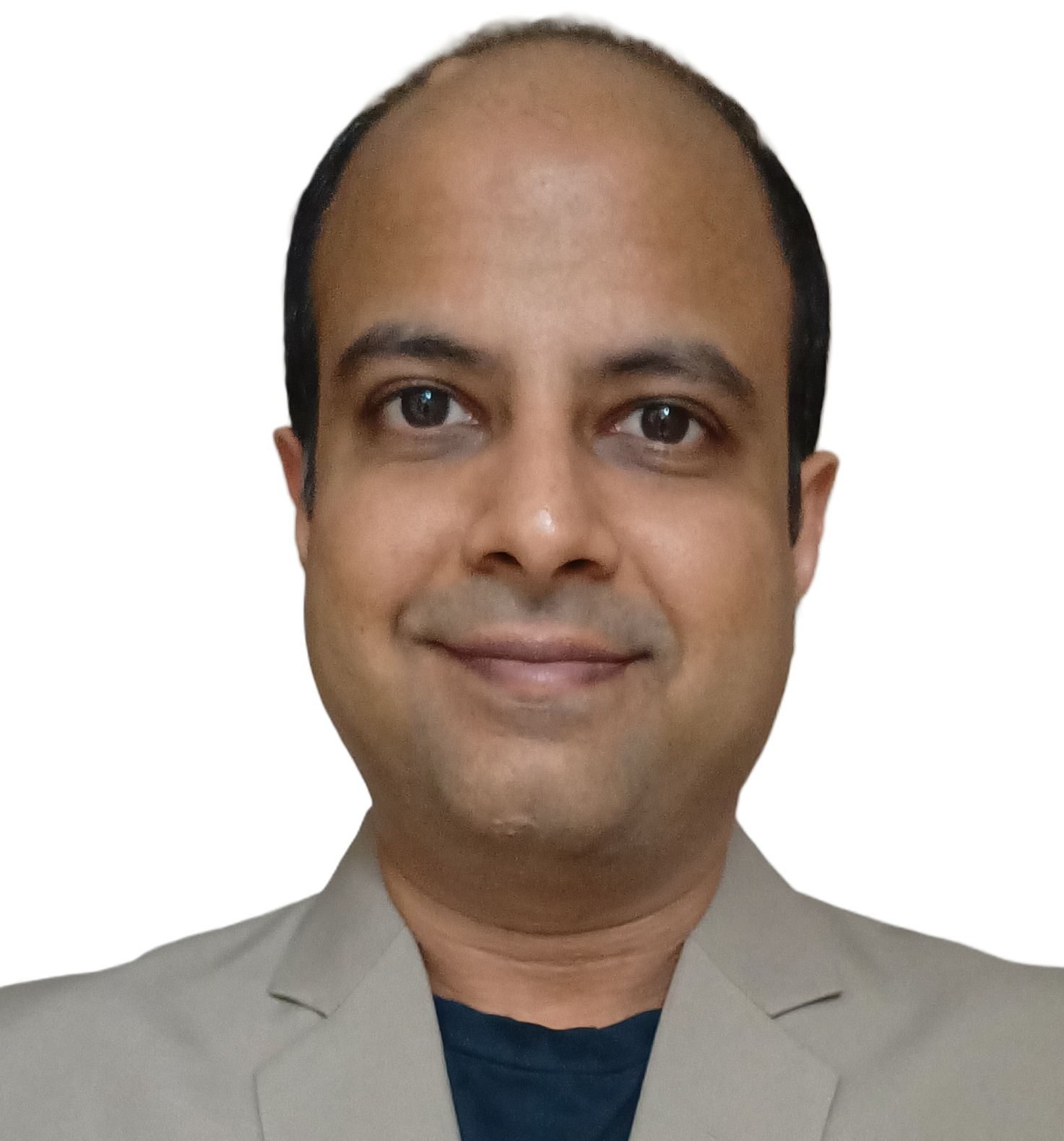
Dr. Manish Gupta
Dr. Manish Gupta is a Principal Applied Researcher at Microsoft Hyderabad. He is also an Adjunct Faculty at IIIT Hyderabad and a visiting faculty at the Indian School of Business, Hyderabad. He received his master's in computer science from IIT Bombay in 2007 and his Ph.D. from the University of Illinois at Urbana-Champaign in 2013. Before this, he worked for Yahoo! Bangalore for two years. His research interests are in the areas of multimodal AI, natural language processing, and neuroscience. He has published more than 200 research papers in reputed refereed journals and conferences. He has also co-authored two books: one on Outlier Detection for Temporal Data and another one on Information Retrieval with Verbose Queries.
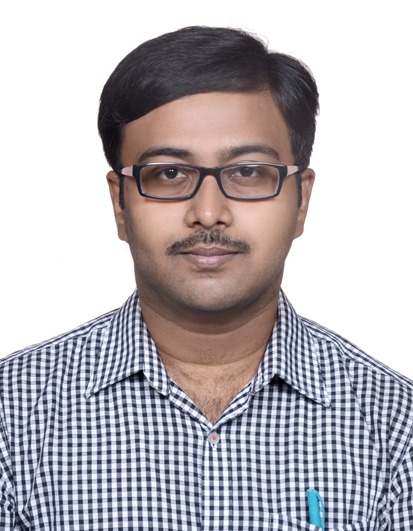
Dr. Ritajit Majumdar
Dr. Ritajit Majumdar is a Research Scientist at IBM Quantum, based at the IBM India Research Lab. He is a part of the Quantum Algorithm and Engineering team where he collaborates with researchers to attain utility scale results using IBM Quantum technologies. He holds a PhD from the Indian Statistical Institute, during which he spent a significant period as a visiting scholar at the IBM T. J. Watson Research Center in New York with the prestigious Fulbright-Nehru Doctoral Research Fellowship. He is a recipient of the Gold Medal from Calcutta University for his master's degree and was honored with the esteemed DST Inspire Fellowship.
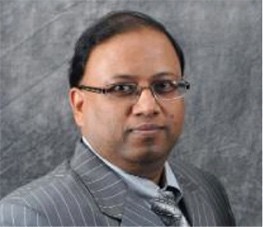
Dr. Sanjay Madria
Sanjay K. Madria is a Curators’ Distinguished Professor in the Department of Computer Science at the Missouri University of Science and Technology (formerly University of Missouri-Rolla, USA). He has published over 350 journal and conference papers in the areas of mobile and sensor computing, big data and cloud computing, machine learning, data analytics, and cybersecurity. He has received five IEEE Best Paper Awards at conferences including IEEE MDM and IEEE SRDS. He is a co-author of the book Secure Sensor Cloud, published by Morgan & Claypool in December 2018. His research projects, funded by organizations including NSF, NIST, ARL, ARO, AFRL, DOE, Boeing, CDC NIOSH, ORNL, and Honeywell, have received funding exceeding USD 28 million. Dr. Madria has received the JSPS Invitational Visiting Scientist Fellowship, the ASEE Fellowship, and NRC Fellowships from the National Academies, USA, in 2012 and 2019. He is an ACM Distinguished Scientist, has served as an ACM and IEEE Distinguished Speaker, is an IEEE Senior Member, and is an IEEE Golden Core Awardee.
Panel Speakers
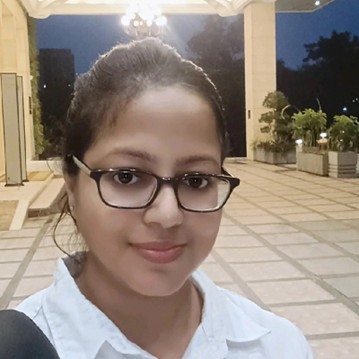
Dr. Swapna Agarwal
Dr. Swapna Agarwal is Lead Data Science (AGM) at Flytxt and previously a Scientist at TCS Research, Kolkata, in the Connected Health segment. She holds a PhD in Computer Science from the Indian Statistical Institute (ISI), Kolkata. Her expertise spans Machine Learning and Computer Vision (2D and 3D), with prior work in 3D scene reconstruction from monocular images and audio-driven facial animation. Her research interests include deep learning, computer vision, and affective computing, with a focus on developing Emotionally Intelligent AI systems for healthcare and human-computer interaction.
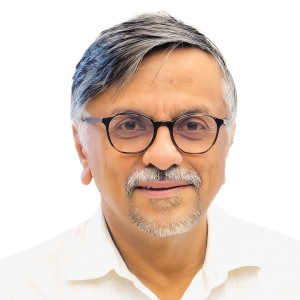
Dr. D. Manjunath
Prof. D. Manjunath is the Head of the Centre for Machine Intelligence and Data Science (CMInDS) at IIT Bombay and a Professor in the Department of Electrical Engineering, where he has been a faculty member since 1998. He served as an Institute Chair Professor from 2014 to 2021. His research interests include communication networks, queueing systems, stochastic modeling, network economics, and distributed systems, with over 100 publications and a co-authored graduate textbook on Communication Networking. He has held visiting positions at the University of Toronto, Microsoft Research Cambridge, and Ohio State University, and currently serves on the boards of NPCI, CCIL, and BSE.
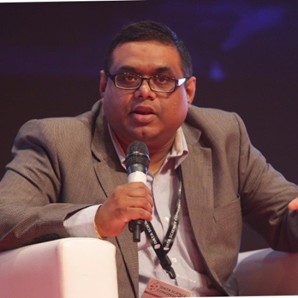
Dr. Avik Sarkar
Dr. Avik Sarkar is a data science and AI expert focused on leveraging data and advanced analytics to improve outcomes for governments, organizations, and citizens. He is Visiting Associate Professor at ISB and Expert at the Global Partnership on Artificial Intelligence (GPAI). His work spans predictive analytics, process optimization, and data-driven product development, with strong foundations in statistics, machine learning, and data mining. A TEDx speaker, recognized among the Top 10 Data Scientists in India, and a LinkedIn Influencer in technology, he advises multiple government committees including the Bureau of Indian Standards (AI), GeM, and Census 2021.

Dr. Aditya Nigam
Dr. Aditya Nigam is Associate Professor and Chairperson at the School of Computing and Electrical Engineering (SCEE), IIT Mandi. He received his M.Tech and PhD degrees from IIT Kanpur in 2009 and 2014, respectively, and joined IIT Mandi in August 2014. He is passionate about teaching, with most of his recent courses focused on Deep Learning and its applications. His research interests include Deep Learning, Biometrics, Medical Image Processing & Analysis, Image Processing, Computer Vision, and Machine Learning.
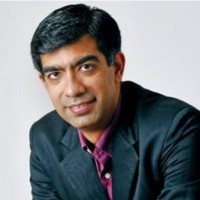
Mr. Harsh Dhand
Harsh Dhand is Director, AI Partnerships at Google APAC, heading GenAI, Google Research, HealthAI, Education and Core Partnerships for the APAC region. He has over 20 years of experience in research organizations including Philips Healthcare, IBM Research, and Microsoft Azure. He holds a Bachelor's and Master's in Computer Science from IIT Delhi and an MBA from Oxford University. In his current role, Harsh leads a team across APAC (India, Singapore, Japan, and Australia), enabling partnerships for AI model development and adoption — including GenAI, Gemma, MedGemma, International Languages, Health AI, and applied areas such as Agriculture, Climate, Sustainability, and Quantum. He leads several of Google's business engagements and partnerships with governments, academia, startups, and corporations, and is driving development of Sovereign models in the ecosystem using Gemma as an open-weights series of LLMs.
Committees & Organising Team
Chief Patron
Dr. R. A. Mashelkar
Jio Institute, India
Patron
Dr. Dipak Jain
Jio Institute, India
Dr. Palak Sheth
Jio Institute, India
Advisory Committee
Dr. Larry Birnbaum
Northwestern University, USA
Dr. Arindam Banerjee
University of Illinois, Urbana-Champaign, USA
Dr. Shailesh Kumar
Jio Institute, India
Dr. LU Shijian
Nanyang Technological University, Singapore
Dr. Mohan Kankanhalli
National University of Singapore, Singapore
Dr. Divyakant Agrawal
University of California, Santa Barbara, USA
Dr. Kooresh I Shoghi
Washington University in St. Louis, USA
Dr. Partha Krishnamurthy
University of Houston, USA
Dr. Abhinav Dhall
Monash University, Australia
Dr. Qi Li
Iowa State University, USA
Dr. Wallapak Tavanapong
Iowa State University, USA
Dr. Gaurav Aggarwal
Reliance Jio, India
General Chairs
Dr. Sudipta Roy
Jio Institute, India
Dr. Dwarikanath Mahapatra
Khalifa University, UAE
Dr. Bozorgtabar Behzad
Aarhus University, Denmark
Dr. Biplab Banerjee
IIT Bombay, India
Program Chairs
Dr. Samik Mukherjee
Jio Institute, India
Dr. Somanath Chatterjee
West Virginia University, USA
Dr. Kaushal Kumar Bhagat
IIT Kharagpur, India
Dr. Siddant Rai Sinha
NBS, France
Publication Chairs
Dr. Mohna Chakraborty
Jio Institute, India
Dr. Adithya Kulkarni
Ball State University, USA
Dr. Murari Mandal
KIIT Bhubaneshwar, India
Publicity Chairs
Dr. Vishnu Prasad
Jio Institute, India
Dr. Kaushik Dutta
Bristol-Myers Squibb, USA
Dr. Tanushree Meena
IIT Ropar, India
Workshop and Special Sessions Chair(s)
Dr. Kalyan Tadepalli
University of Queensland, Australia
Dr. Dhruv Kumar
BITS Pilani, India
Dr. Sandipan Sikdar
Leibniz University Hannover, Germany
Tutorial Chairs
Dr. Tanmay Das
NIT Raipur, India
Dr. Tarun Bhatara
Jio Institute, India
Dr. Sangeet Saha
University of Essex, UK
Finance Chairs
Pramod Jain
Jio Institute, India
Chandra Nahata
Jio Institute, India
Local Arrangement Chairs
Vinod Mane
Jio Institute, India
Sandip Swant
Jio Institute, India
Avinash Jha
Jio Institute, India
Web Chairs
Sujata Goel
Jio Institute, India
S. Akshayasree
Jio Institute, India
Umang Duggal
Jio Institute, India
Rakesh Kharbanda
Jio Institute, India
Dipti Bedarkar
Jio Institute, India
Industry Relations
Shiv Shukla
Jio Institute, India
Ritu Mishra
Jio Institute, India
Bharath Reddy
Jio Institute, India
Anirudh Kalia
Jio Institute, India
Venue & Travel Information
Getting to the Conference
IDEA 2026 will be held at Jio Institute, Ulwe, Sector 5, Navi Mumbai, India. The venue is conveniently accessible via multiple transportation options. The Navi Mumbai International Airport (opened in 2025) is located approximately 20 minutes from the campus. Until then, Chhatrapati Shivaji Maharaj International Airport, Mumbai serves as the primary airport, about 50 km away, with a typical travel time of 60–90 minutes depending on traffic.
Public transportation includes the Mumbai suburban railway (nearest station: Bamandongri – Harbour Line) and the upcoming Navi Mumbai Metro Line 1. App-based taxi services, local transport, and private vehicles are readily available. The campus is accessible via Palm Beach Road and the Mumbai–Pune Expressway, with adequate parking facilities on-site.
Visa Information
International participants may require a visa to enter India. Most attendees should apply for a Conference Visa or a Business Visa (for industry participants). Please consult the official Indian government visa portal or the nearest Indian embassy for country-specific requirements.
Upon successful registration, official invitation letters can be issued to support visa applications. Participants are strongly advised to initiate the visa process at least 8–10 weeks prior to the conference.

Accommodation
Multiple accommodation options are available near the venue. More suggested hotels and stay options will be shared on the conference website.
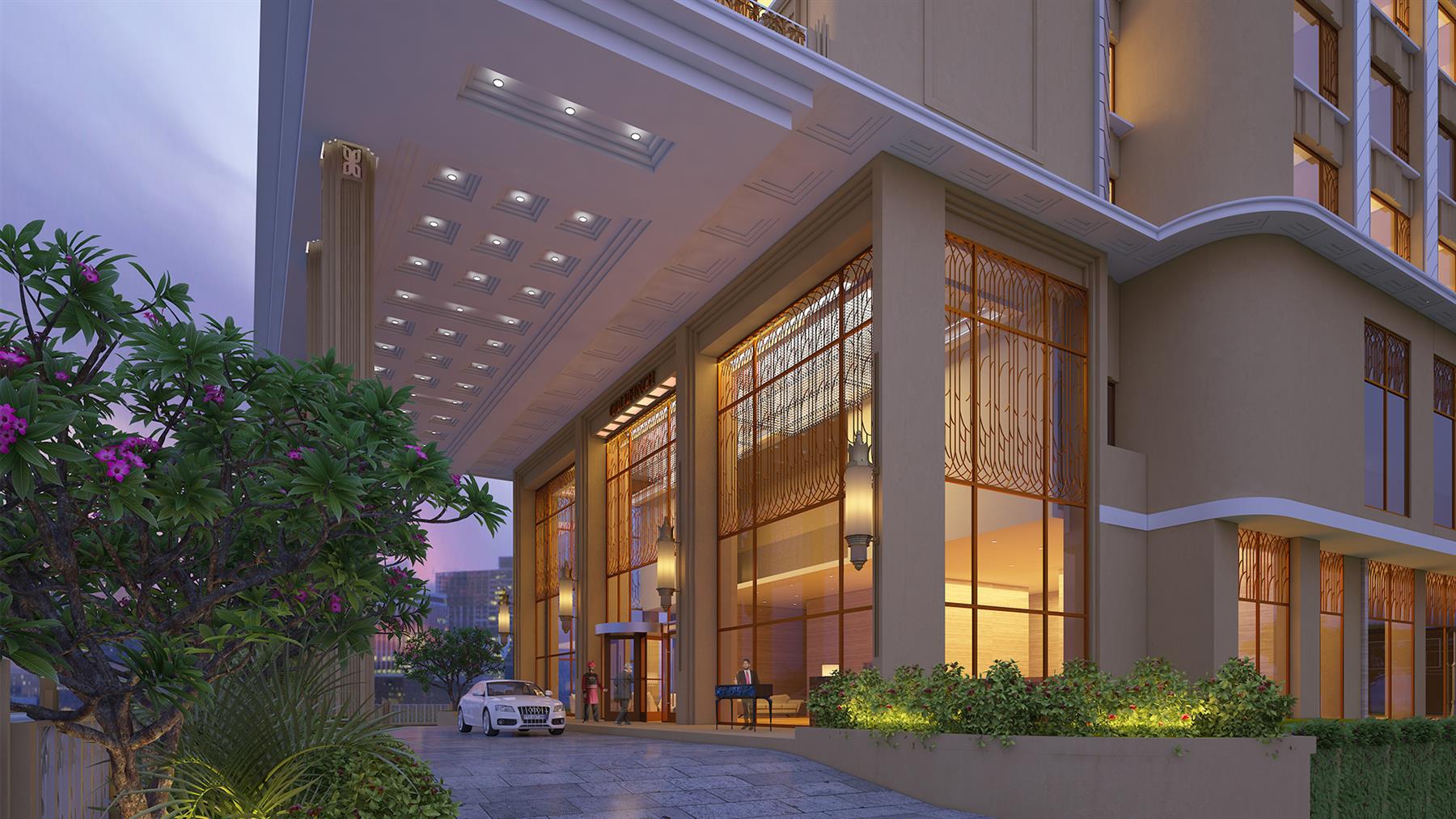 Marriott Executive Apartments
 Distance: 5 km
Approx. Rate: ₹8,500/night
Amenities: Restaurant, fitness center, Wi-Fi
 The Park Navi Mumbai
 Distance: 8 km
Approx. Rate: ₹5,500/night
Amenities: Restaurant, Wi-Fi, fitness center
 Hotel Yogi Executive
 Distance: 4 km
Approx. Rate: ₹3,800/night
Amenities: Restaurant, Wi-Fi